

Third Party Logistics- A Strategic Growth Engine for Modern Manufacturing & Supply Chains
The growing complexity of supply chains in India and across global markets has transformed logistics into a strategic function rather than a support activity.
Businesses are no longer dealing with simple transportation and storage challenges; instead, they are navigating multi-location sourcing, fluctuating freight costs, compliance regulations, and rising customer expectations. In this evolving landscape, third party logistics have emerged as critical solutions for companies seeking efficiency and scalability. As industries expand and distribution networks become more sophisticated, reliance on structured 3pl services is steadily increasing.
At the same time, rising transportation expenses, warehousing overheads, and inventory carrying costs are eroding profit margins. Traditional in-house logistics models often struggle to keep pace with demand volatility and technological advancements. Many organizations are now evaluating 3rd party logistics as a way to overcome operational bottlenecks and reduce capital investment in infrastructure. By partnering with experienced 3pl companies and reliable 3pl providers, businesses gain access to specialized expertise, advanced tracking systems, and optimized distribution frameworks without the burden of managing everything internally.
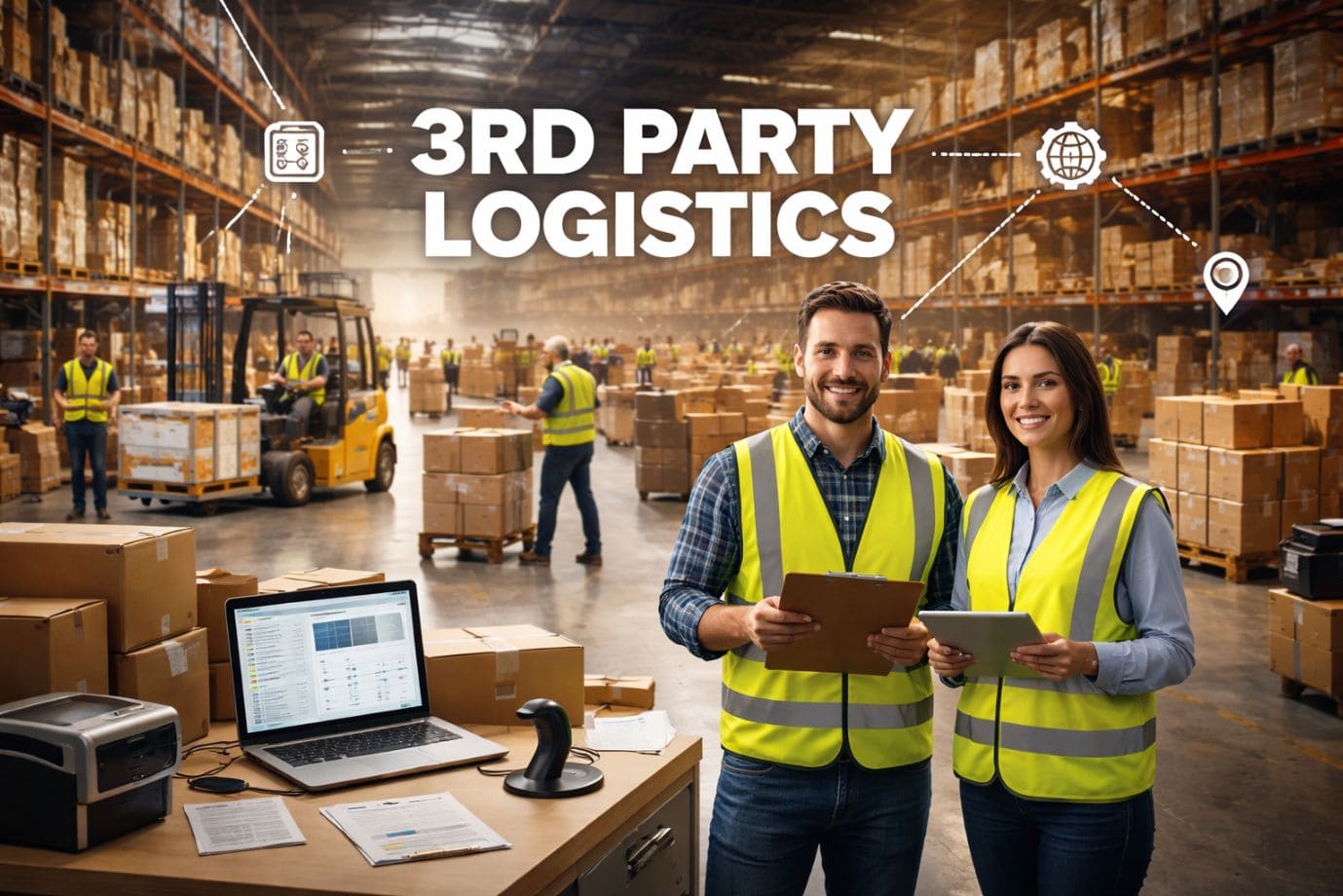
A professional third party logistics service provider delivers integrated services that cover warehousing, transportation management, order fulfillment, and data-driven management solutions. Instead of viewing logistics as a cost center, companies can transform it into a competitive advantage—improving service levels, enhancing supply chain visibility, and driving sustainable growth.
What is Third Party Logistics?
It refers to the outsourcing of logistics and supply chain operations to a specialized external partner. Instead of managing warehousing, transportation, inventory, and distribution internally, companies collaborate with a professional third party logistics service provider that delivers integrated services. These services typically include storage, freight management, order fulfillment, inventory tracking, and technology-enabled management systems designed to improve efficiency and visibility across the supply chain.
To understand 3rd party logistics, it is helpful to distinguish it from other logistics models. In a 1PL (First-Party Logistics) model, a company manages transportation and distribution entirely in-house. In 2PL (Second-Party Logistics), businesses outsource only transportation to carriers. However, 3pl logistics goes a step further—3pl providers handle end-to-end logistics functions, offering comprehensive services that integrate warehousing, distribution, and operational control. In contrast, 4PL (Fourth-Party Logistics) involves a strategic partner that oversees the entire supply chain ecosystem, often managing multiple 3pl companies under a centralized structure.
In India, the evolution of third party logistics has accelerated with the growth of e-commerce, manufacturing expansion, and GST-driven supply chain consolidation. Modern 3pl logistics services now rely heavily on technology—such as warehouse management systems (WMS), transportation management systems (TMS), IoT tracking, and real-time analytics—enabling businesses to gain data-driven insights and operational agility. Today, 3pl companies are not just service vendors but strategic partners driving supply chain transformation.
Core Services Offered by 3PL Providers
Modern third party logistics solutions extend far beyond simple transportation. Today’s 3pl companies deliver integrated, technology-driven logistics services that support end-to-end supply chain execution. A reliable third party logistics service provider ensures seamless coordination across warehousing, distribution, and analytics through structured 3pl management systems. Below are the core 3pl services that define efficient logistics operations:
⮞ Warehousing & Inventory Management
A key component of 3rd party logistics is professional warehousing supported by advanced inventory control systems. Leading 3pl providers operate strategically located warehouses equipped with Warehouse Management Systems (WMS) to optimize storage, reduce carrying costs, and maintain real-time inventory visibility. Efficient 3pl management ensures accurate stock levels, minimized obsolescence, and improved order accuracy.
⮞ Transportation & Freight Management
Transportation is a critical pillar of third party logistics. Established companies manage multimodal freight, carrier negotiations, route optimization, and compliance requirements. Through advanced Transportation Management Systems (TMS), 3pl logistics services reduce freight costs while improving on-time delivery performance.
⮞ Order Fulfillment & Distribution
Comprehensive 3pl services include pick-and-pack operations, last-mile delivery coordination, and multi-location distribution management. Experienced providers streamline order processing to ensure faster turnaround times and enhanced customer satisfaction.
⮞ Reverse Logistics
Efficient 3pl logistics also covers returns processing, repair handling, and product refurbishment. A professional third party logistics service provider manages reverse flows to minimize losses and maintain inventory accuracy.
⮞ Value-Added Services (Kitting, Packaging, Labeling)
Many 3rd party logistics partners offer customized packaging, labeling, bundling, and kitting services. These specialized services help manufacturers meet specific market and compliance requirements.
⮞ Supply Chain Analytics
Data-driven 3pl management is transforming supply chains. Modern third party logistics solutions leverage analytics dashboards, KPI tracking, and demand forecasting tools, enabling businesses to make informed strategic decisions and continuously improve performance.
Why Manufacturing Companies Are Rapidly Adopting 3rd Party Logistics
In today’s competitive industrial landscape, manufacturers are under constant pressure to reduce costs, improve efficiency, and deliver faster. This has led to the growing adoption of third party logistics as a strategic supply chain solution. Rather than treating logistics as a support function, companies are integrating 3pl logistics into their growth strategies. By partnering with experienced 3pl companies and professional providers, manufacturers are unlocking measurable operational and financial advantages.
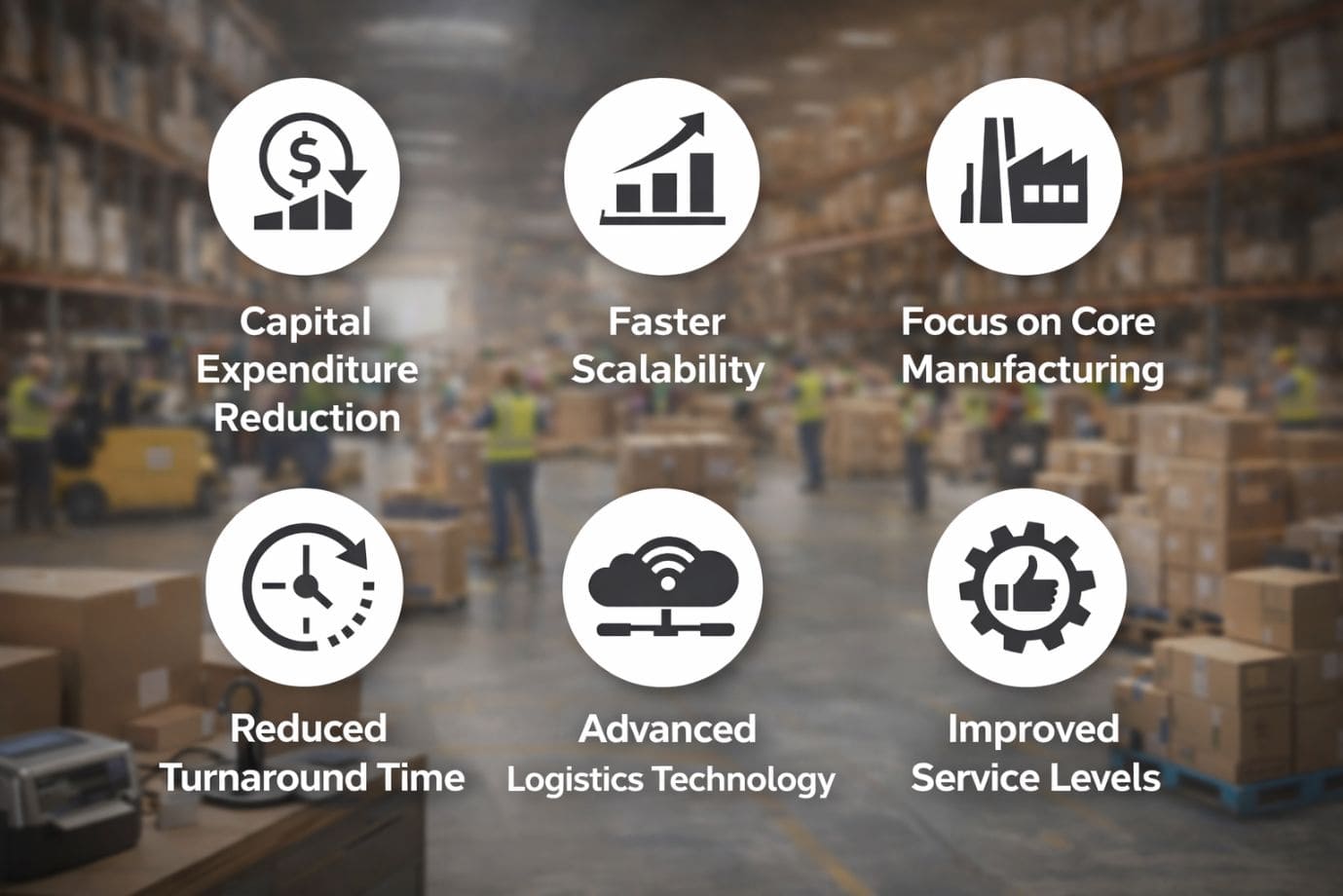
Capital Expenditure Reduction
Setting up warehouses, transportation fleets, and digital tracking systems demands significant capital investment. Through 3rd party logistics, manufacturers avoid heavy infrastructure spending and convert fixed logistics costs into variable operational expenses. A reliable provider offers ready-to-use infrastructure and structured 3pl management, reducing financial risk while maintaining efficiency.
Faster Scalability
Market demand can fluctuate due to seasonality, exports, or expansion into new regions. 3pl services provide scalable warehousing space, flexible transportation networks, and workforce adaptability. With well-established services, businesses can increase or reduce capacity without disrupting production cycles.
Focus on Core Manufacturing
Manufacturers achieve higher productivity when leadership focuses on production, quality, and innovation rather than shipment coordination. By outsourcing to expert 3pl companies, businesses allow specialized providers to manage inventory, distribution, and compliance through streamlined 3pl management systems.
Access to Advanced Logistics Technology
Modern third party logistics solutions include Warehouse Management Systems (WMS), Transportation Management Systems (TMS), real-time tracking, and data analytics dashboards. These advanced services improve inventory visibility, route optimization, and overall supply chain transparency.
Reduced Turnaround Time
Efficient 3pl logistics networks are designed to minimize delays. With optimized warehousing and distribution planning, a professional third party logistics service provider ensures faster order processing and delivery execution.
Improved Service Levels
By leveraging structured 3rd party logistics operations, manufacturers benefit from better on-time delivery performance, reduced stockouts, and enhanced customer satisfaction. Strategic management ultimately transforms logistics into a competitive advantage rather than a cost burden.
Strategic Benefits of 3rd Party Logistics for Industrial & Automotive Sector
For industrial and automotive manufacturers, supply chain precision is not optional—it is mission critical. Production delays, inventory imbalances, or transportation disruptions can halt assembly lines and significantly increase costs. This is why third party logistics has become a strategic enabler for high-performance manufacturing ecosystems. By partnering with specialized companies and experienced providers, industrial businesses can implement agile and resilient supply chain frameworks supported by structured 3pl management.
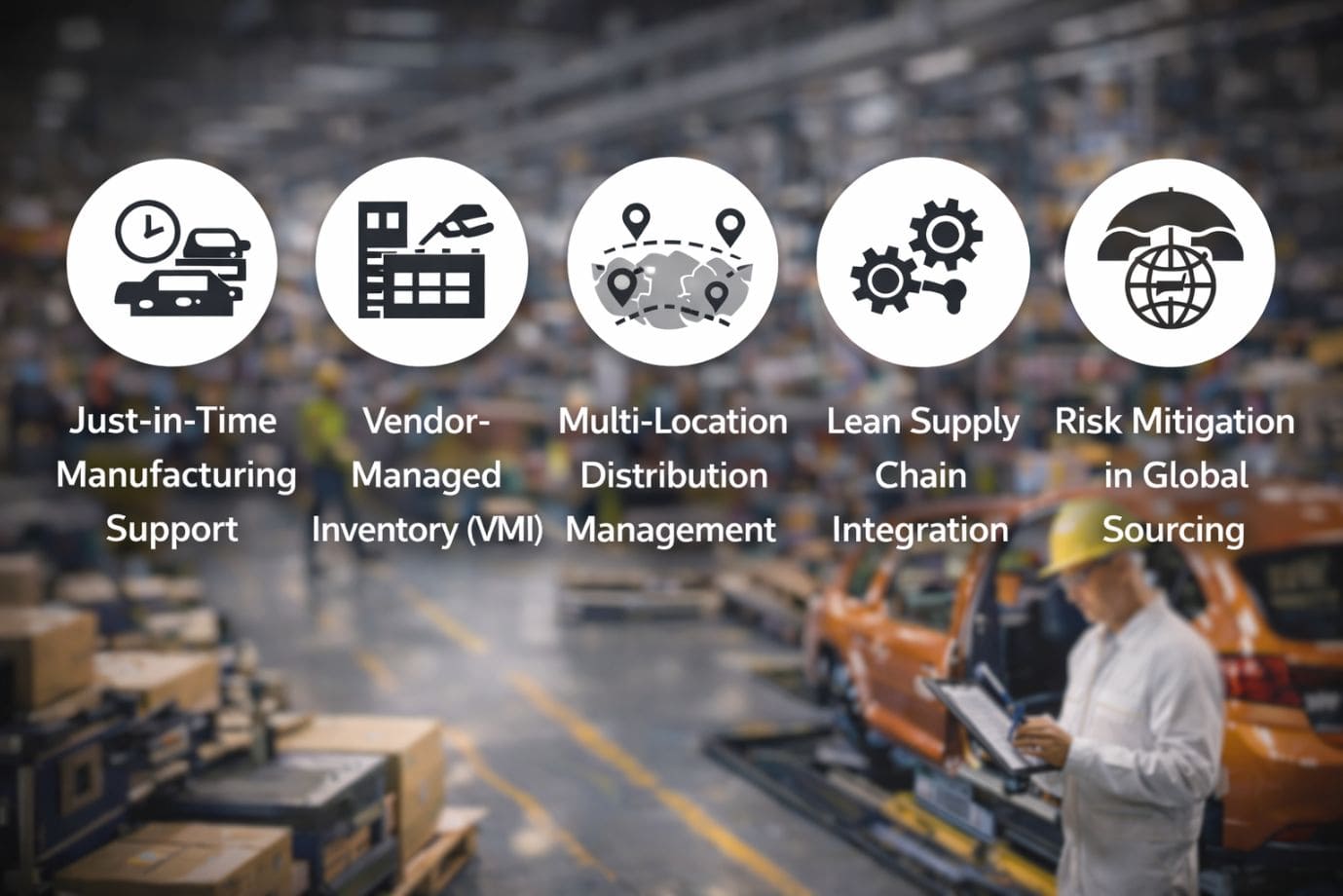
⮞ Just-in-Time (JIT) Manufacturing Support
Automotive and industrial sectors heavily rely on Just-in-Time (JIT) production models, where components must arrive exactly when needed. Advanced 3pl logistics services ensure synchronized inbound and outbound movements, minimizing inventory holding costs while preventing production stoppages. A professional third party logistics service provider coordinates supplier schedules, warehouse staging, and transportation planning to support seamless JIT execution.
⮞ Vendor-Managed Inventory (VMI)
Through integrated 3rd party logistics solutions, manufacturers can implement Vendor-Managed Inventory systems where stock levels are monitored and replenished automatically. Technology-driven 3pl logistics platforms provide real-time inventory visibility, enabling suppliers and manufacturers to collaborate efficiently and reduce excess inventory.
⮞ Multi-Location Distribution Management
Industrial enterprises often operate across multiple plants and regional markets. Comprehensive 3pl services allow centralized control over decentralized distribution networks. Leading companies manage hub-and-spoke models, regional warehouses, and cross-docking operations to ensure timely product availability.
⮞ Lean Supply Chain Integration
Lean manufacturing principles demand waste reduction and process optimization. Strategic third party logistics supports lean initiatives by reducing transportation inefficiencies, optimizing storage layouts, and enhancing workflow through data-driven management.
⮞ Risk Mitigation in Global Sourcing
With global sourcing comes exposure to geopolitical risks, shipping delays, and regulatory complexities. Experienced 3pl providers use diversified carrier networks, compliance expertise, and predictive analytics within their logistics services to minimize disruption risks and maintain supply continuity.
For the industrial and automotive sectors, third party logistics is no longer a support function—it is a strategic growth accelerator.
When Should a Business Consider Hiring a 3rd Party Logistics?
Recognizing the right time to adopt third party logistics can significantly impact operational efficiency and long-term growth. Many businesses delay partnering with 3pl companies until supply chain challenges begin affecting profitability and customer satisfaction. However, identifying early warning signs allows organizations to transition smoothly to structured 3pl logistics services and professional management.
⮞ Rapid Expansion
When a business experiences rapid growth—whether through increased production, new product lines, or geographic expansion—its internal logistics systems often struggle to scale. In such cases, partnering with experienced 3pl providers ensures access to scalable warehousing, transportation, and distribution networks. A reliable third party logistics service provider can quickly align infrastructure with growth demands.
⮞ High Logistics Costs
Rising freight expenses, warehouse overheads, and inefficient routing are strong indicators that 3rd party logistics may offer cost optimization. Specialized services leverage economies of scale and advanced planning tools to reduce operational waste and improve cost control.
⮞ Inventory Inaccuracies & Frequent Stockouts
If a company faces recurring inventory mismatches or stockouts, it signals gaps in tracking and forecasting. Technology-driven 3pl logistics solutions provide real-time inventory visibility and automated replenishment systems, minimizing errors and improving service reliability.
⮞ Poor OTIF (On-Time-In-Full) Performance
Consistent delays or incomplete deliveries damage brand credibility. Strategic third party logistics partnerships improve order accuracy, streamline fulfillment, and enhance delivery performance metrics.
⮞ Entry into New Markets
Expanding into new regions or export markets requires regulatory knowledge, distribution infrastructure, and logistics coordination. Established 3pl companies offer localized expertise and integrated services, enabling businesses to enter new markets with confidence and reduced risk.
Common Challenges in Implementing 3rd Party Logistics
While third party logistics offers significant operational advantages, successful implementation requires careful planning and alignment. Many businesses hesitate to adopt it due to perceived risks and transitional complexities. Understanding these challenges helps organizations build stronger partnerships with 3pl companies and ensure effective management.
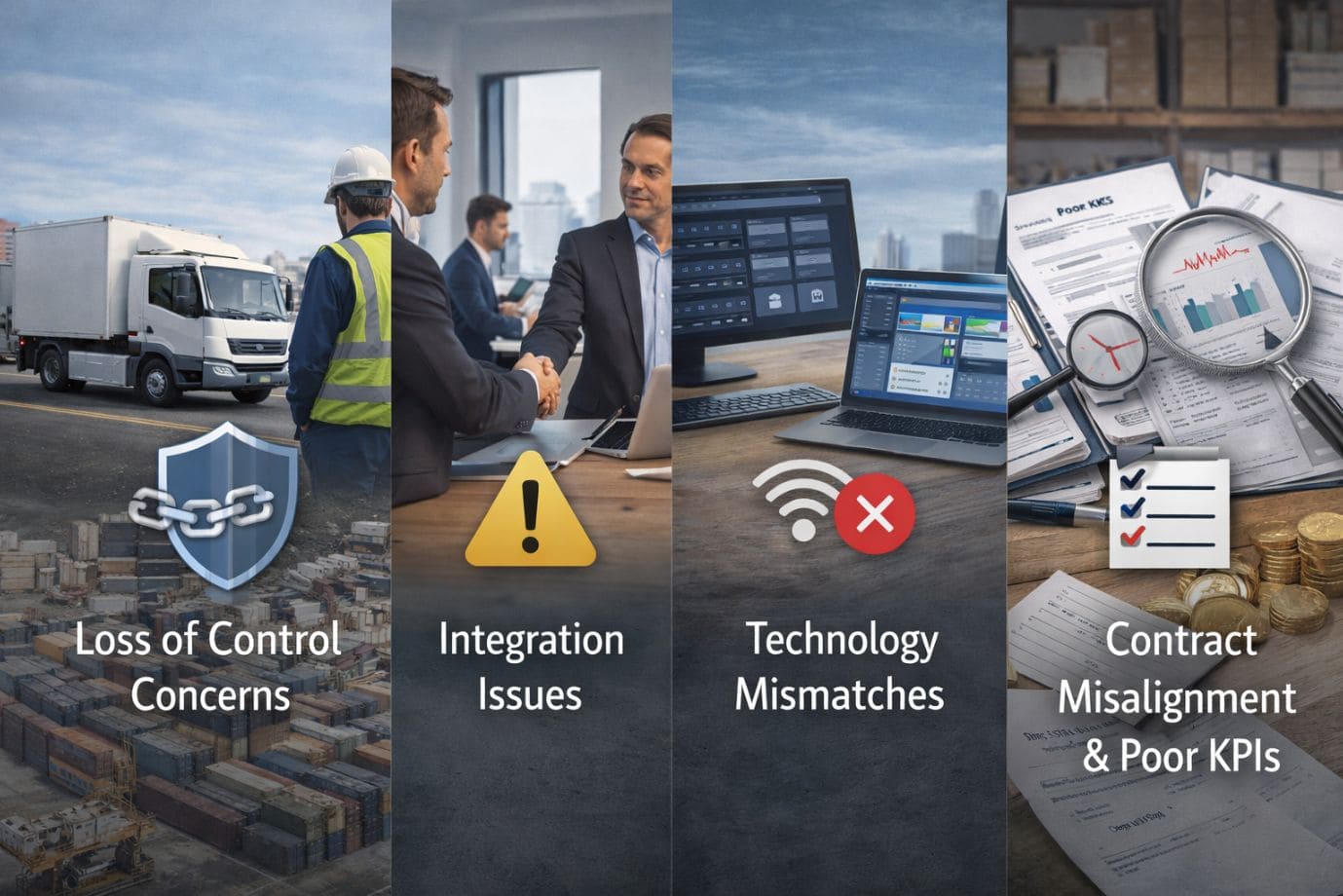
⮞ Loss of Control Concerns
One of the most common concerns in third party logistics adoption is the fear of losing direct control over inventory and distribution processes. When internal teams shift responsibilities to external 3pl providers, transparency and communication become critical. Without structured governance and clearly defined workflows, companies may feel disconnected from daily logistics operations.
⮞ Integration Issues
Seamless coordination between internal ERP systems and external 3pl logistics services can be challenging. Poor integration can result in delayed updates, data inconsistencies, and operational inefficiencies. Successful implementation requires synchronized systems and clearly defined reporting structures.
⮞ Technology Mismatches
Not all companies operate on compatible technology platforms. If a third party logistics service provider uses outdated or incompatible Warehouse Management Systems (WMS) or Transportation Management Systems (TMS), visibility gaps may arise, affecting performance.
⮞ Contract Misalignment & Poor KPIs
Unclear service-level agreements (SLAs), undefined KPIs, or unrealistic expectations often lead to performance disputes. Effective 3pl services depend on measurable metrics such as OTIF, inventory accuracy, and turnaround time. Weak 3pl management frameworks can result in misaligned objectives and accountability gaps.
How Strategic Consulting Ensures Successful Third Party Logistics Integration
Strategic evaluation and structured implementation planning minimize these risks. By assessing operational readiness, defining clear KPIs, selecting the right providers, and aligning technology systems, businesses can transform third party logistics from a transactional outsourcing model into a high-performance supply chain partnership.
The Future of 3rd Party Logistics in India
India’s logistics landscape is undergoing a structural transformation driven by digital innovation, policy reforms, and manufacturing growth. The role of third party logistics is expanding beyond transportation and warehousing into strategic supply chain orchestration. As businesses demand agility, visibility, and resilience, 3pl logistics is evolving into a technology-powered ecosystem led by forward-thinking companies and specialized providers.
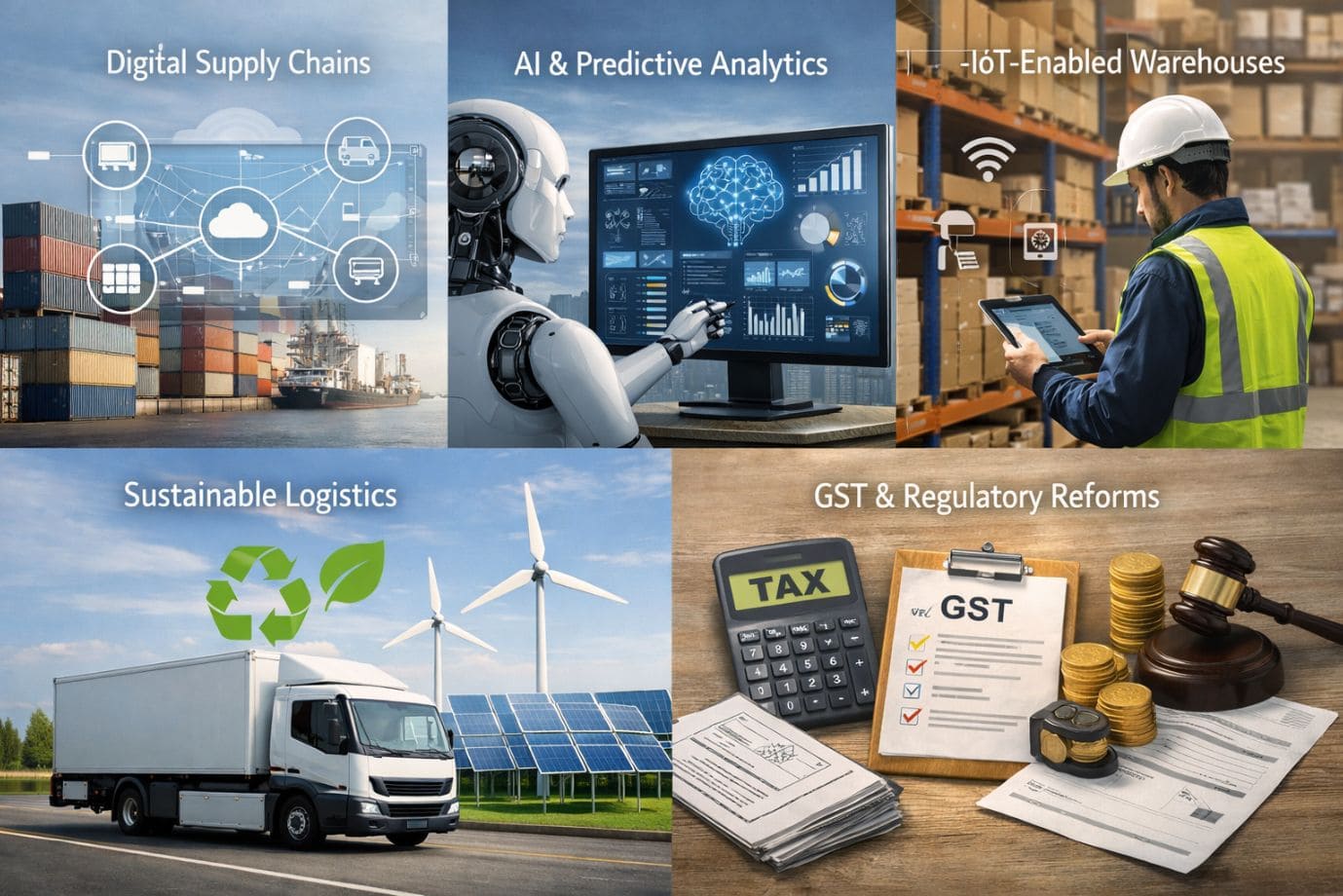
- Digital Supply Chains: The future of 3rd party logistics lies in fully digitized supply chain networks. Modern services integrate cloud-based platforms that connect manufacturers, suppliers, warehouses, and distributors in real time. Advanced 3pl management dashboards provide end-to-end visibility, enabling faster decision-making and proactive disruption management.
- AI & Predictive Analytics: Artificial Intelligence is redefining third party logistics efficiency. Through predictive analytics, 3pl logistics services can forecast demand spikes, optimize inventory placement, and improve route planning. Leading companies are leveraging AI to reduce delays, minimize costs, and enhance operational accuracy.
- IoT-Enabled Warehouses: IoT technology is strengthening 3pl logistics capabilities through smart sensors, RFID tracking, and automated material handling systems. A modern third party logistics service provider uses connected infrastructure to improve inventory accuracy, reduce manual errors, and accelerate fulfillment cycles.
- Sustainable Logistics: Sustainability is becoming central to 3pl services strategy. Environment-conscious 3pl providers are adopting green warehousing, fuel-efficient fleets, and route optimization tools to reduce carbon emissions while maintaining service excellence.
- GST & Regulatory Reforms: GST implementation and infrastructure development have streamlined interstate logistics operations. This regulatory clarity has empowered 3pl companies to build centralized distribution hubs and optimize network planning through structured management.
Growth of the Indian Manufacturing Ecosystem
As India strengthens its position as a global manufacturing hub, demand for scalable third party logistics solutions will continue to rise. Strategic services will play a crucial role in supporting industrial expansion, exports, and global supply chain integration—making 3rd party logistics a cornerstone of future-ready manufacturing.
FAQs
A. 3rd party logistics refers to outsourcing logistics functions such as warehousing, transportation, inventory management, and distribution to an external specialist. Instead of handling these operations internally, businesses partner with a logistics expert who manages end-to-end supply chain execution efficiently and cost-effectively.
A. By leveraging shared infrastructure, optimized transportation networks, and technology-driven systems, third party logistics helps businesses convert fixed logistics costs into variable expenses. This reduces capital expenditure while improving efficiency and scalability.
A. Comprehensive 3pl services usually include warehousing, freight management, order fulfillment, reverse logistics, packaging, and inventory tracking. Many providers also offer value-added solutions such as kitting and supply chain analytics.
A. Leading 3pl companies support manufacturers by enabling Just-in-Time deliveries, managing vendor inventory, and ensuring multi-location distribution. This helps maintain production continuity and improve delivery performance.
A. 2PL provides basic transportation services, while 3PL offers integrated logistics solutions such as warehousing, distribution, and inventory management. 4PL manages the entire supply chain strategy by coordinating multiple logistics partners, whereas 5PL focuses on end-to-end, technology-driven supply network optimization, often handling complex global and e-commerce ecosystems. To know which service suits your business the best, you can read our dedicated blog on Which Logistics Model is Right for Your Business: 2PL, 3PL, 4PL or 5PL?
A. A professional third party logistics service provider uses advanced systems like WMS and TMS to provide real-time tracking, performance dashboards, and analytics, enabling better forecasting and decision-making.
A.Yes, third party logistics is highly beneficial for SMEs as it provides access to advanced logistics infrastructure and expertise without heavy capital investment, allowing them to compete effectively in larger markets.
Conclusion
In today’s competitive and fast-evolving industrial landscape, third party logistics is no longer a simple outsourcing arrangement—it is a strategic growth lever. Businesses that view 3pl logistics merely as transportation support often miss its broader value. Modern services integrate warehousing, distribution, analytics, and technology into a cohesive framework that strengthens operational resilience and improves profitability.
Forward-thinking manufacturers are recognizing that partnering with experienced companies and reliable 3pl providers enables them to transform logistics from a cost center into a performance driver. A professional third party logistics service provider delivers structured management, real-time visibility, and scalable infrastructure that aligns logistics operations with long-term business strategy. This strategic alignment enhances supply chain agility, reduces operational risks, and improves customer service levels.
As global competition intensifies and supply chains become more complex, relying solely on traditional in-house models is no longer sustainable. Embracing 3rd party logistics allows manufacturers to modernize distribution networks, adopt advanced digital tools, and optimize inventory flows without heavy capital investment. The future of industrial growth depends on smart, technology-enabled 3pl logistics services that support efficiency, innovation, and scalability.
Ultimately, third party logistics is not just about moving goods—it is about building a responsive, data-driven supply chain ecosystem that empowers manufacturers to compete confidently in both domestic and global markets.
For more information about other services, you can go to our Homepage.