

Product Planning and Product Management

Launching a successful product requires much

more than a great idea. Many innovative products fail because businesses skip proper market research, misunderstand customer needs or lack a clear roadmap. Without a structured process, even the most promising ideas can struggle to succeed in a competitive market.

This is where product planning and product management play a vital role. Product planning helps businesses identify market opportunities, define customer requirements and create a strong product vision before development begins. Once the product is ready, product management takes over to guide every stage of its journey. An effective product management process goes far beyond launching a product. It involves coordinating teams, prioritizing features, tracking performance, gathering customer feedback and making continuous improvements to keep the product relevant.

Product Planning and Product Management 1

To support these activities, organizations use product information and product data management to organize accurate product information and enable informed decision-making. Companies managing multiple products also benefit from product portfolio management, which helps prioritize investments and allocate resources effectively. A well-defined product management strategy, supported by the right system and resources, ensures products continue to deliver value throughout their lifecycle.

Successful businesses understand that product life cycle management is a continuous process that connects planning, development, launch, growth and improvement. In this blog, you’ll learn how product planning and product management work together, explore the key stages of the product planning and product management process and discover practical strategies to build, manage and improve products that drive long-term business success.

Understanding Product Planning and Product Management

Every successful product begins with a clear vision and continues to evolve through careful execution. Product planning and product management are closely connected processes that help businesses create products customers need while achieving long-term business goals. Although they have different roles, they work together to ensure a product remains competitive and valuable throughout its journey.

What is Product Planning?

It is the process of defining a product before development begins. A well-structured process includes market research, customer analysis, feature planning, pricing and creating a roadmap that guides product development while reducing risks.

What is Product Management?

It is the ongoing process of managing a product from development to continuous improvement. A successful product management process involves launch planning, performance monitoring, customer feedback and regular updates. Businesses also use product information management, product data management and product life cycle management to keep product information organized and improve decision-making.

Why Are Both Equally Important?

While product planning builds the foundation, product management ensures long-term success. Supported by product portfolio management, a strong strategy, an efficient system and the right resources, businesses can develop products that meet customer expectations and adapt to changing market demands.

Workflow:
IdeaMarket ResearchProduct PlanningProduct DevelopmentProduct LaunchProduct ManagementContinuous Improvement

You can also read our comprehensive blog on Business Process Management.

Product Planning vs Product Management vs Product Development: Key Differences

Although product planning, product development and product management are closely related, they serve different purposes in creating a successful product. Product planning focuses on deciding what should be built and why. Product development transforms those plans into a working product through design, engineering and testing. Product management oversees the entire journey, ensuring the product continues to meet customer needs and business goals long after its launch. Together, these functions support effective product life cycle management and help organizations build products that deliver long-term value.
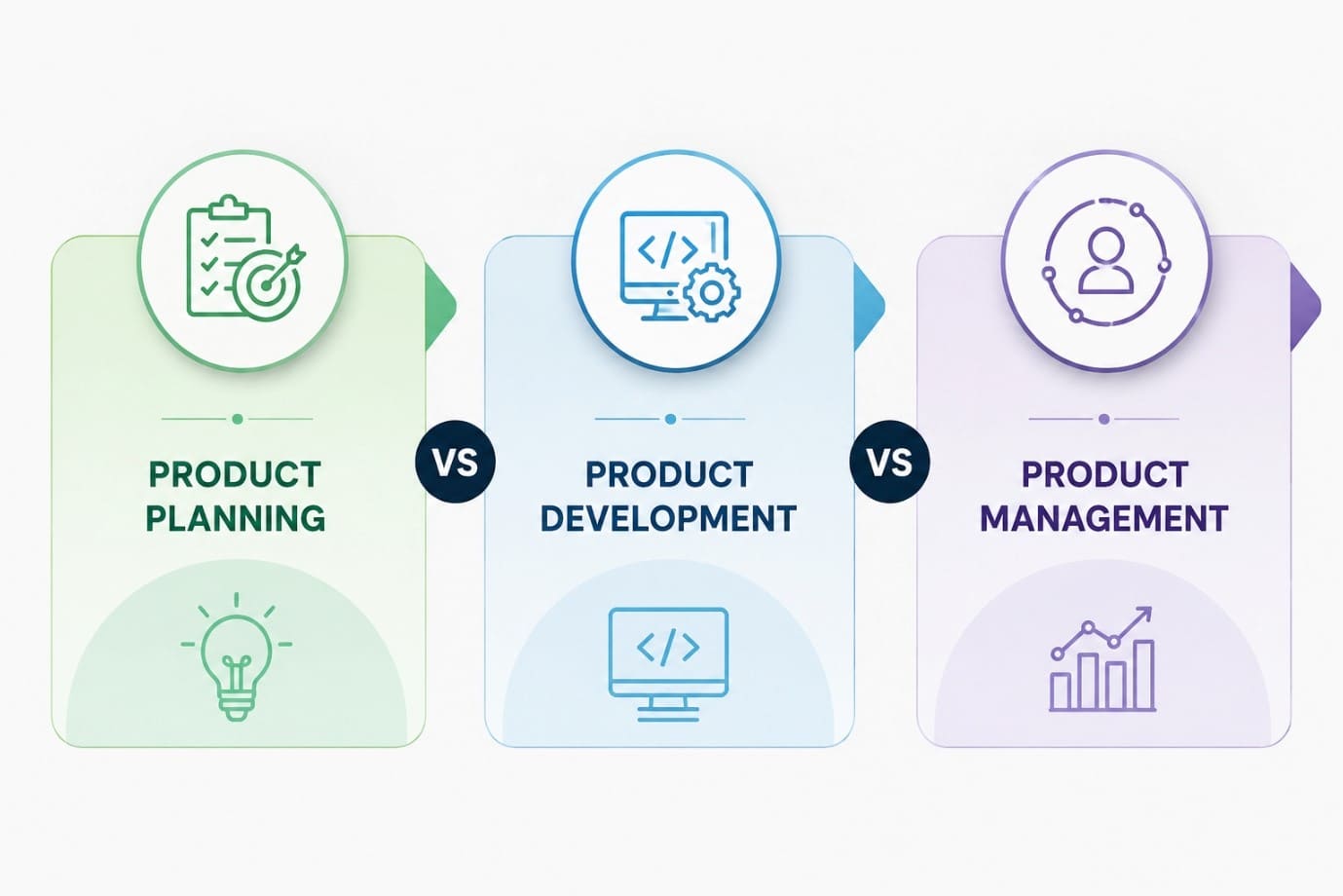
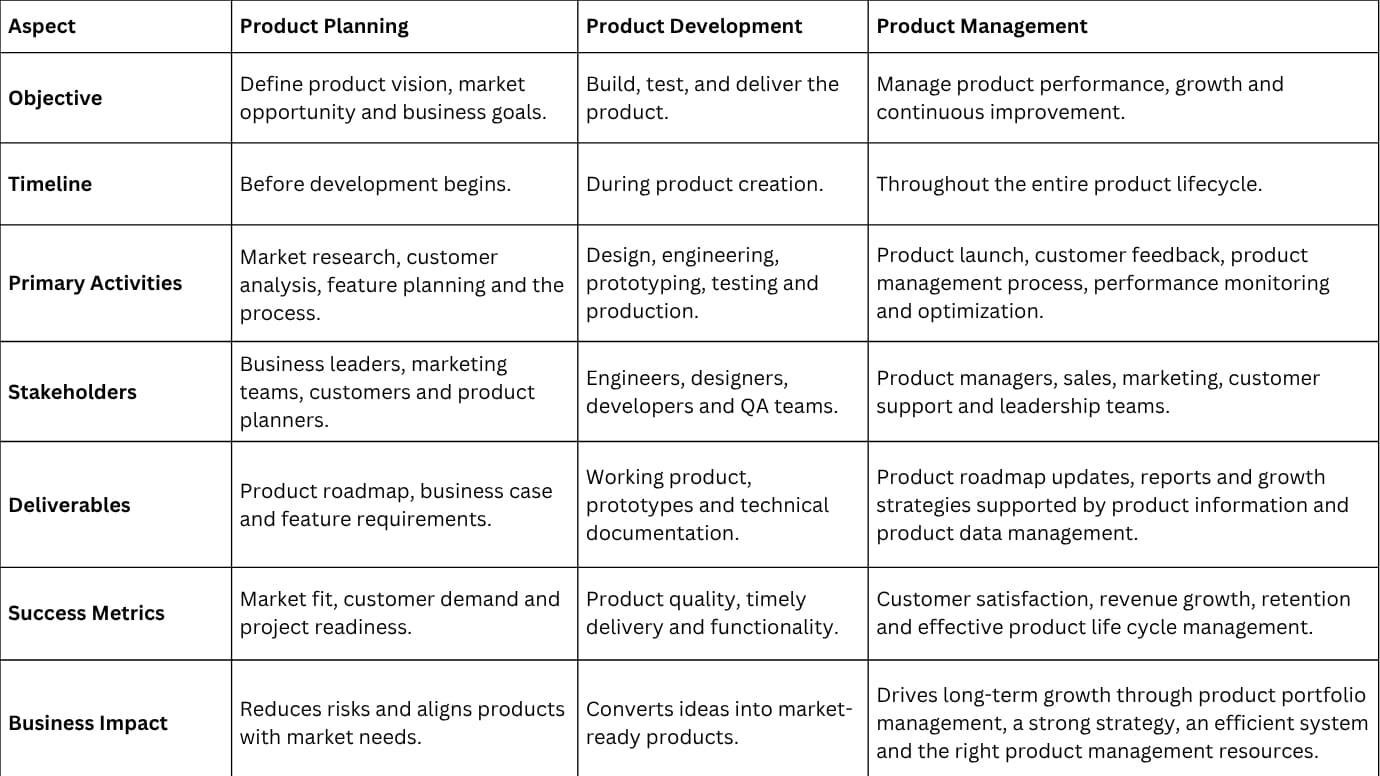
Product Planning vs Product Management vs Product Development Key Differences

Product Planning vs Product Management vs Product Development Key Differences 1

Why Product Management Matters More Than Ever

Today’s business environment is changing faster than ever, making product management a critical function for organizations of every size. Companies must respond to rapid market changes, shorter product launch cycles, evolving customer expectations and constant technological advancements. A well-defined product management strategy enables businesses to adapt quickly, reduce risks and deliver products that continue to create value.

Why Product Management Matters More Than Ever

Organizations managing multiple products also rely on product portfolio management to prioritize investments and allocate resources effectively. Combined with the right resources, businesses can respond to market disruptions, embrace innovation and deliver long-term customer value while maintaining a competitive advantage.

The Product Planning Process

A well-defined product planning process provides a clear roadmap for turning an idea into a successful product. Instead of relying on assumptions, businesses follow a structured approach to understand customers, evaluate the market, define goals and prioritize the right features. A strong product planning strategy also supports effective product management, helping teams make informed decisions throughout the product lifecycle. The following steps form the foundation of a successful planning process.
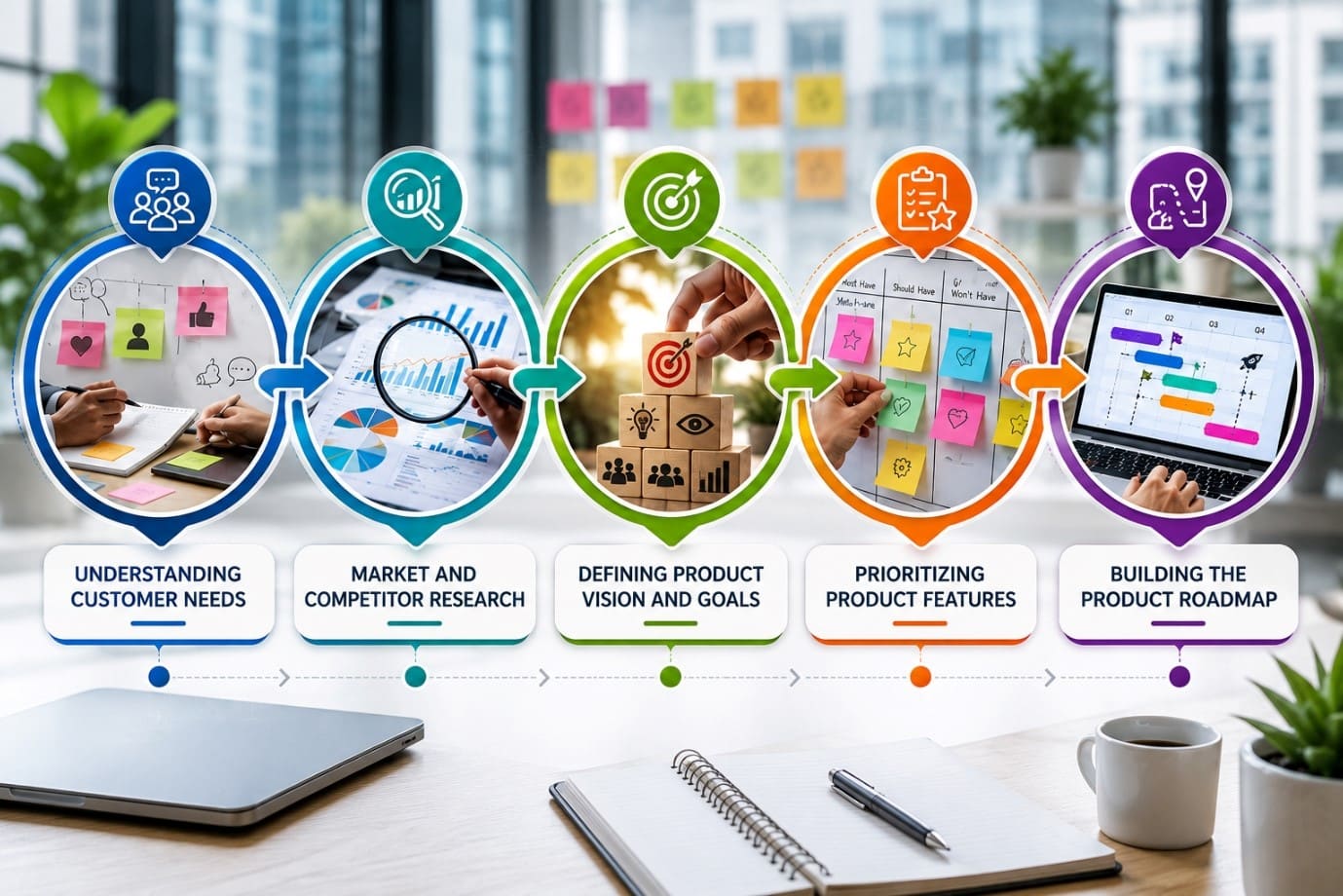
The Product Planning Process

⮞ Understanding Customer Needs

Every successful product begins with understanding the customer. Businesses collect the Voice of Customer (VoC) through customer interviews, market surveys, online reviews and direct feedback. Customer journey mapping helps identify pain points, expectations, and opportunities for improvement. These insights ensure that the product solves real problems instead of relying on assumptions. Many organizations also use a product planning tool to organize customer insights and convert them into actionable product requirements.

⮞ Market and Competitor Research

After understanding customer needs, businesses analyse the market to validate the product opportunity. This includes estimating market size, identifying industry trends, studying customer demand and conducting competitive benchmarking. A SWOT analysis further evaluates strengths, weaknesses, opportunities and threats, helping organizations identify market gaps and reduce potential risks before investing in product development.

⮞ Defining Product Vision and Goals

The next step is creating a clear vision for the product. Businesses define measurable objectives, establish a compelling customer value proposition, determine product positioning and set success criteria. These goals ensure that every team involved in product planning and management works toward the same business outcomes.

⮞ Prioritizing Product Features

Not every feature can be developed at once. Prioritization frameworks help teams focus on what delivers the greatest value. The MoSCoW method classifies features as Must-have, Should-have, Could-have or Won’t-have. The Kano Model identifies features that improve customer satisfaction. RICE prioritizes initiatives based on Reach, Impact, Confidence and Effort, while the Value vs Effort Matrix helps select quick wins by comparing business value with implementation effort.

⮞ Building the Product Roadmap

The final stage of the product planning process is creating a practical roadmap. It outlines short-term priorities, long-term product vision, release schedules, milestones and resource allocation. A well-planned roadmap keeps teams aligned, improves collaboration and provides clear direction for successful product execution and continuous growth.

The Product Management Lifecycle

It is a continuous journey that begins with defining a product strategy and continues through development, launch, performance tracking and ongoing improvement. Unlike product planning, which focuses on preparing the product before development, product management ensures the product delivers value throughout its entire lifecycle. A well-structured product management process, supported by the right strategy and resources, enables businesses to remain competitive and respond quickly to changing customer needs.
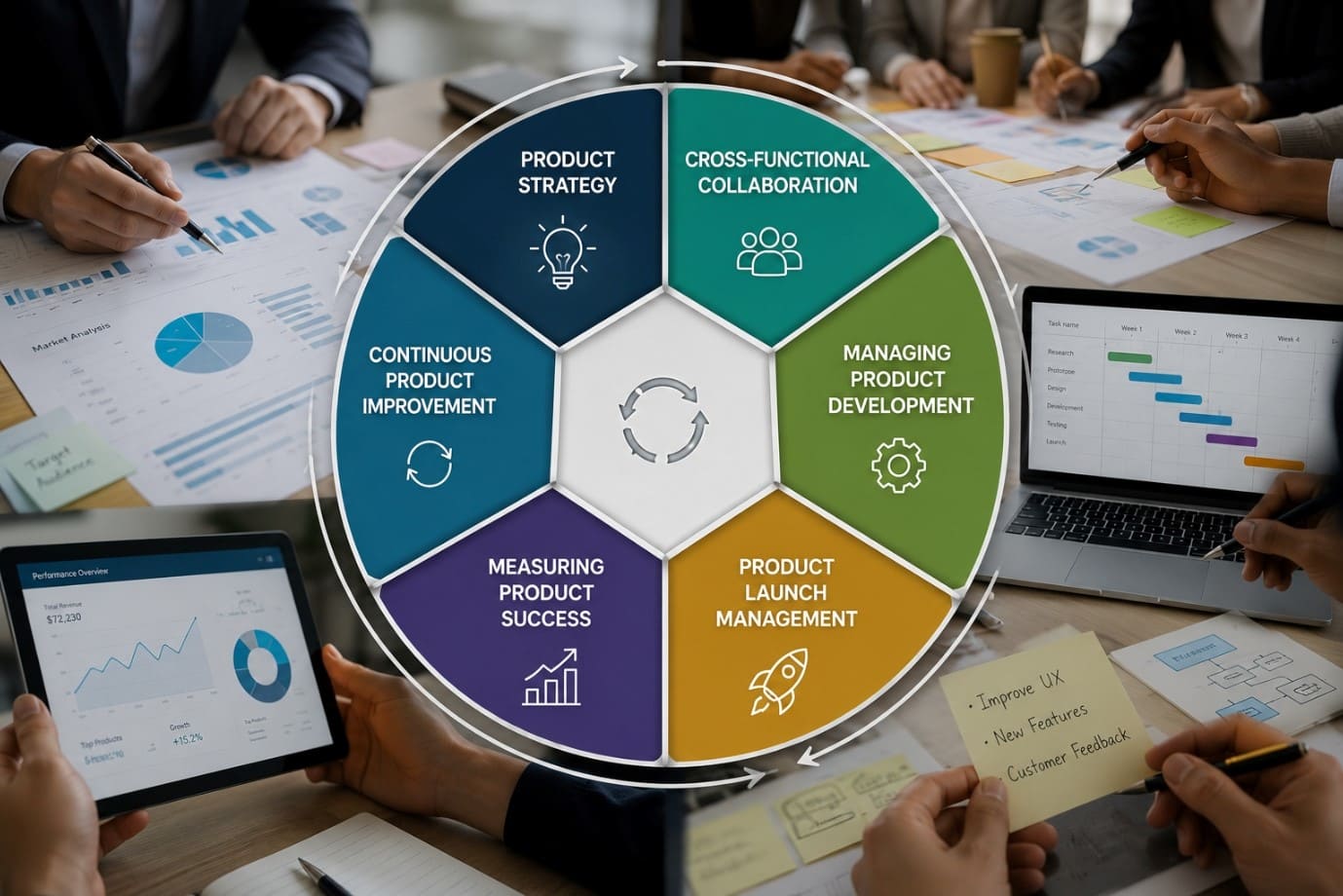
The Product Management Lifecycle

⮞ Product Strategy

Every successful product starts with a clear strategy. Product managers align the product with business goals, identify the target audience and define a unique value proposition that differentiates the product from competitors. Strong product planning and the use of a reliable tool help establish a strategic direction, ensuring every product decision supports long-term business objectives. For organizations with multiple offerings, product portfolio management helps prioritize investments and balance business opportunities.

⮞ Cross-Functional Collaboration

Effective product management depends on collaboration across multiple teams. Product managers work closely with engineering, design, marketing, sales, customer support, operations and leadership to ensure everyone shares the same objectives. Clear communication, regular progress reviews and aligned priorities reduce delays, improve decision-making and create a smoother product development journey. Rather than managing people directly, product managers coordinate efforts and keep every team focused on delivering customer value.

⮞ Managing Product Development

During development, the product manager guides the process without handling technical implementation. Modern teams often follow Agile and Scrum methodologies, using iterative development, sprint planning and backlog management to deliver improvements in smaller, manageable stages. The product manager prioritizes features, removes roadblocks and ensures development activities remain aligned with customer expectations and business goals throughout the product management process.

⮞ Product Launch Management

Launching a product requires careful planning and coordination. Product managers prepare go-to-market strategies, support pricing decisions, coordinate marketing campaigns, enable sales teams with product knowledge and create smooth customer on boarding experiences. A successful launch depends on cross-functional collaboration and thorough preparation rather than simply releasing the product to the market.

⮞ Measuring Product Success

The work of product management continues long after launch. Product managers measure success using key performance indicators such as customer satisfaction, retention rate, adoption rate, revenue growth, profitability, feature adoption, churn rate, Net Promoter Score (NPS) and Customer Lifetime Value (CLV). Accurate product information management and product data management provide reliable insights that support data-driven decisions and improve future planning.

⮞ Continuous Product Improvement

Products must continuously evolve to remain competitive. Customer feedback, product analytics, feature enhancements, version updates, innovation roadmaps and technical debt management all contribute to effective product life cycle management. Organizations that embrace continuous improvement, SAFe product management practices where appropriate and regular product reviews can respond quickly to market changes while delivering greater value to customers. By combining strong product planning, an efficient product management process and continuous innovation, businesses can build products that achieve sustainable growth and long-term success.

Essential Skills for Effective Product Management

Successful product management requires a combination of business knowledge, technical understanding, leadership and analytical thinking. A skilled product manager must balance customer needs with business objectives while ensuring the product management process runs efficiently. These skills also strengthen product planning and support effective management.
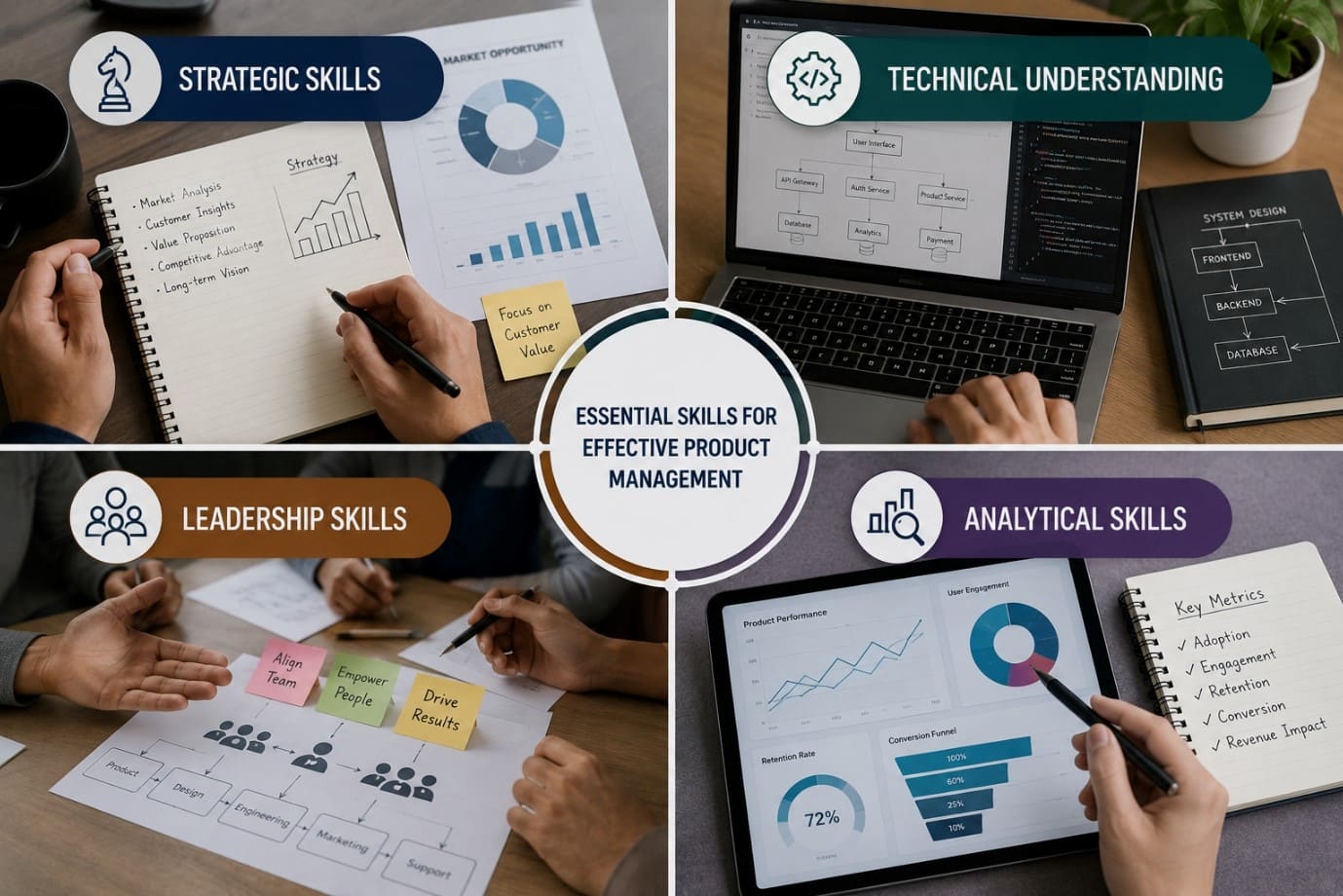
Essential Skills for Effective Product Management

⮞ Strategic Skills

⮞ Technical Understanding

⮞ Leadership Skills

⮞ Analytical Skills

Common Challenges in Product Planning and Management

Even the most experienced organizations face challenges during product planning and management. Identifying these obstacles early and taking corrective action helps businesses improve the product planning process, strengthen the product management process and achieve better results throughout product life cycle.

Best Practices for Successful Product Planning and Management

Successful product planning and product management require more than following a fixed process. Businesses must adopt proven practices that improve decision-making, reduce risks and create products that meet customer needs while supporting long-term growth. The following best practices strengthen the product planning process, optimize the product management process and contribute to effective product life cycle management.
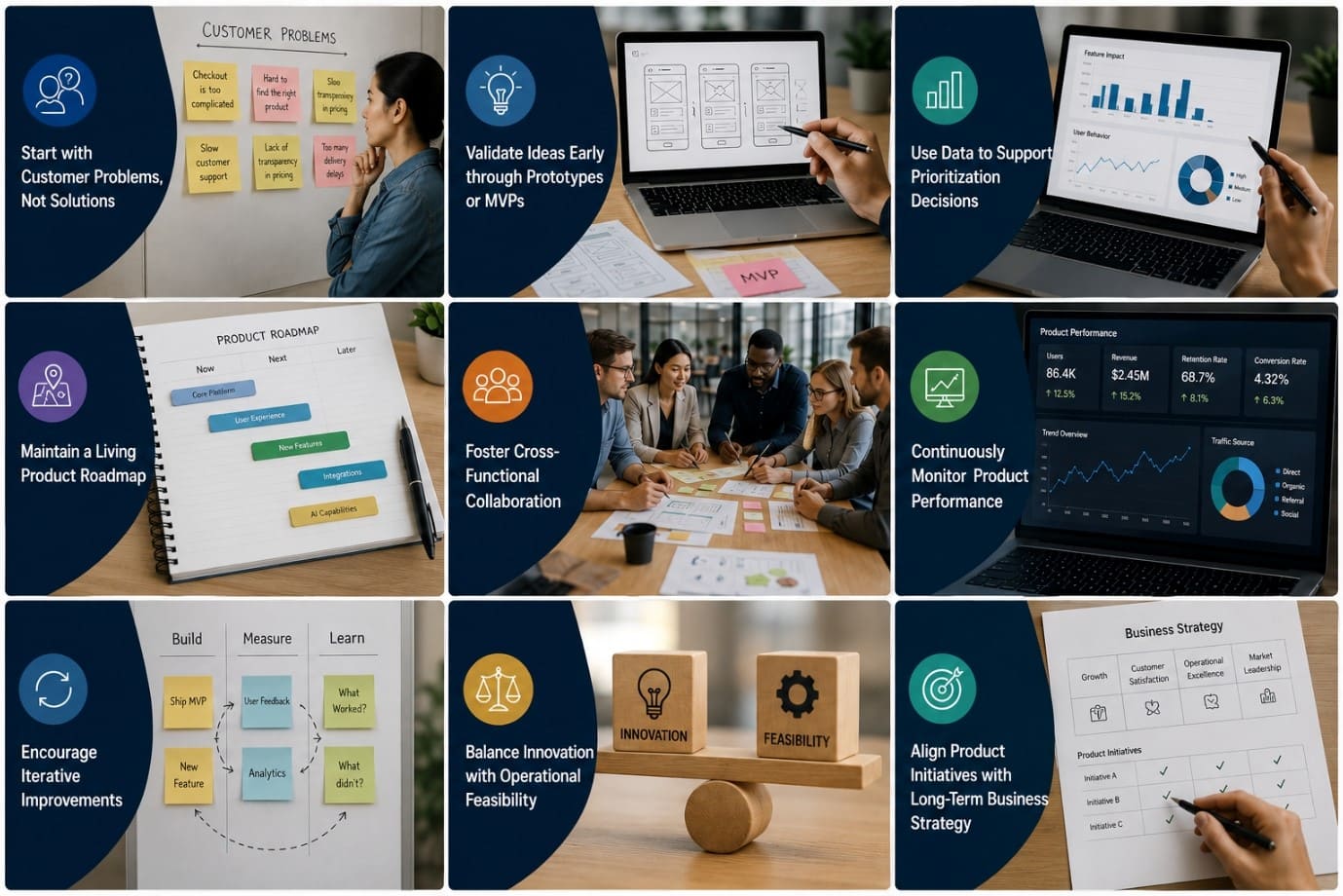
Best Practices for Successful Product Planning and Management

The Future of Product Management

The future of product management is being shaped by advanced technologies, changing customer expectations and faster innovation cycles. Businesses are moving beyond traditional approaches and adopting smarter ways to improve the product management process, strengthen product planning and accelerate product life cycle management. Organizations that embrace these trends will be better equipped to build innovative products and maintain a competitive advantage.

Continuous learning through upraised product management programs and similar professional development initiatives also helps product teams stay ready for future challenges.

FAQs

A. Product planning focuses on deciding what product should be built, who it is for and how it will achieve business goals. In contrast, product management oversees the product after planning, managing development, launch, performance and improvements through a structured process.

A. Product management helps businesses align products with customer needs, market trends and business objectives. A strong product management strategy improves collaboration, supports innovation, reduces risks and increases the chances of long-term product success. You can also go through our dedicated blog on Risk Management.

A. Common product management tools include roadmap software, collaboration platforms, analytics tools and customer feedback systems. Many organizations also use product information, product data and a product lifecycle management system to manage product information and streamline workflows.

A. Important product management KPIs include customer satisfaction, product adoption rate, retention rate, churn rate, revenue growth, profitability, feature adoption, Customer Lifetime Value (CLV) and Net Promoter Score (NPS). These metrics help evaluate the effectiveness of product life cycle management and overall product performance.

A. Product life cycle management helps businesses manage products from concept and development to launch, growth, maturity and retirement. It improves collaboration, reduces costs, supports innovation and ensures products remain competitive throughout their lifecycle.

Conclusion

Creating a successful product is not just about having an innovative idea, it requires a structured approach that combines thoughtful product planning with effective product management. A well-defined product planning process helps businesses identify customer needs, analyse market opportunities, set clear objectives and create a strong foundation for product success. Without proper planning, even the most promising ideas may fail to achieve their full potential.

However, planning is only the beginning. A robust product management process ensures that products continue to evolve after launch by aligning cross-functional teams, monitoring performance, responding to customer feedback and driving continuous improvements. Supported by product life cycle management, businesses can manage every stage of a product’s journey while adapting to changing market conditions and customer expectations.

Organizations that invest in product management are better equipped to innovate, respond to competition and create long-term value for both customers and stakeholders. Leveraging product portfolio management, an effective product management strategy, a modern system, the right resources and a reliable product planning tool enables businesses to make informed decisions, optimize resource allocation and deliver products that remain relevant in a competitive marketplace.

Rather than treating product management as a one-time project, businesses should view it as a continuous organizational capability. Companies that embrace ongoing learning, data-driven decision-making and continuous product improvement are more likely to achieve sustainable growth, strengthen customer relationships and build products that deliver lasting business success.

For more information, you can explore our Homepage.

Leave a Comment

Your email address will not be published. Required fields are marked *

Call Now Button
× Book free consultation